
 About Us
 Consumer Experiences
 Information
 Projects
 FAQ
Login Account
To view the article please login or create an account
- Ethical Consumption Trends
Living wage: necessary, but insufficient for dignity – Nov. 2026
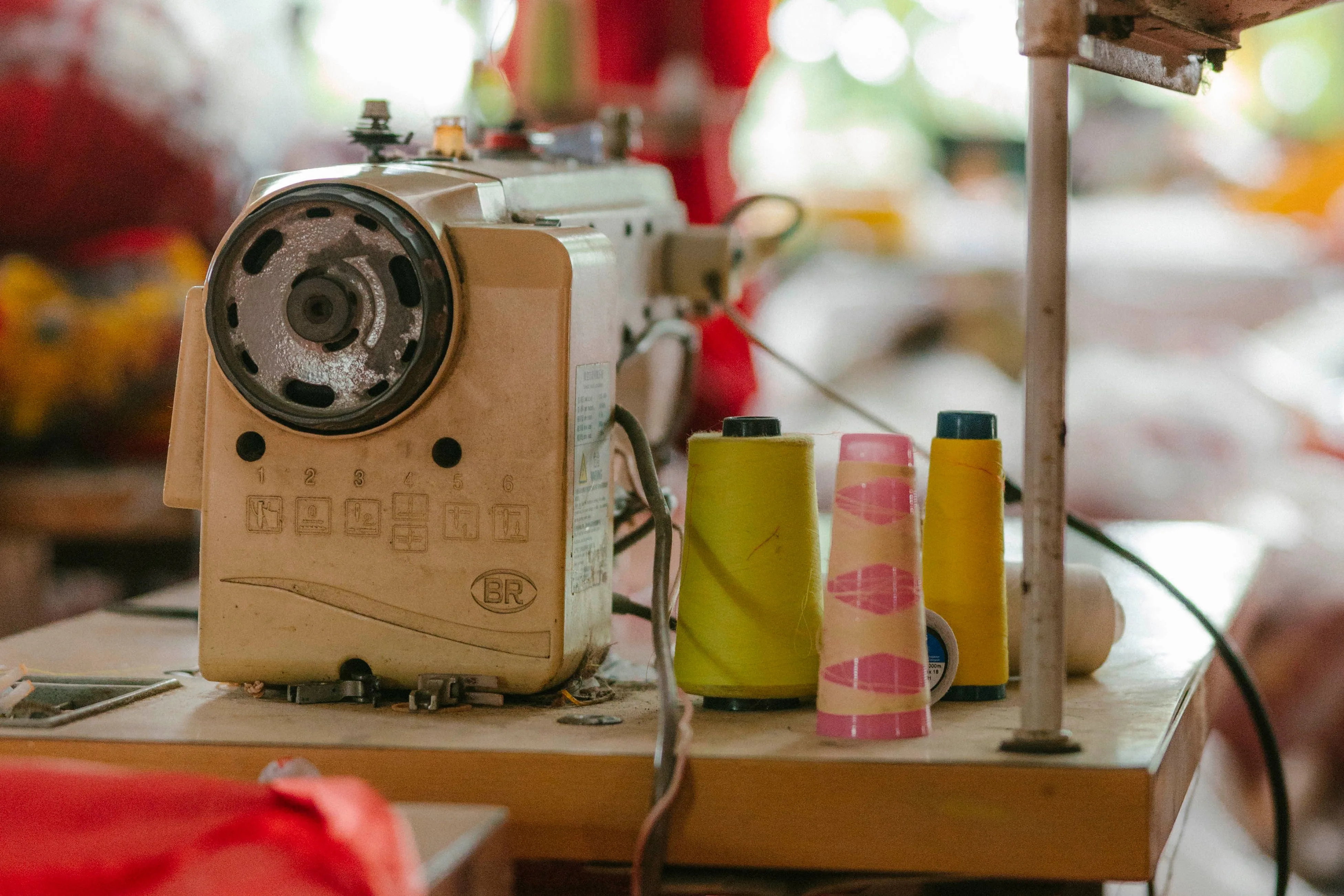
The fight for a decent wage concerns every industry without exception, as it is a fundamental right to which every human being should be entitled. In garment manufacturing, inequalities are stark and, despite the tragedies of the 2010s that cost so many workers their lives, their living conditions and wages remain appalling today.
A living wage appears to be an indispensable solution, ideally supported by an international standard. Yet in an industry that prioritises profit over people, is it really enough to guarantee genuine dignity?
When the minimum is not enough to live with dignity
The minimum wage is set by law. A living wage, by contrast, is the level of remuneration necessary to enable workers and their families to achieve a decent standard of living, taking into account the circumstances of the country and the work performed during normal working hours (ILO, 2024).
In the textile industry, this gap remains very real. In Cambodia, the monthly minimum wage for workers in textiles, garments, footwear and travel goods was set at 210 US dollars from January 2026 (Cambodian Ministry of Labour, 2025). At the same time, the Anker Research Institute estimated the gross living wage in urban areas at 242 US dollars per month in 2025 (Anker Research Institute, 2025).
This example shows that a wage can comply with the legal minimum while remaining below the level estimated to be necessary for a decent life. It also reminds us that a living wage cannot be defined independently of the cost of living and local realities.
A common reference, local realities
In 2024, following a tripartite agreement between governments, employers and workers, the International Labour Organization adopted a common definition and principles for living wages (ILO, 2024). The aim is not to set the same amount everywhere in the world, but to establish a common reference based on robust data and adapted to national or regional realities.
In 2026, the ILO launched the project Aligning Living Wage Initiatives with ILO Principles to help existing initiatives converge around these principles and strengthen their integration into national wage-setting mechanisms (ILO, 2026).
In my view, a more binding international framework could be a further step. But it immediately raises several questions: how can we prevent some companies from shifting production to countries where requirements are weaker? And who should bear the cost of fairer pay: brands, suppliers, governments, investors or consumers?
Dignity at work goes beyond wages
A living wage is an essential step forward, but dignity cannot be reduced to pay. It also depends on occupational health and safety, protection against discrimination, violence and harassment, freedom of association, and workers’ ability to negotiate their working conditions collectively.
The ILO also stresses that progress towards living wages requires action on the structural factors that keep pay low, including informality, weak labour institutions, productivity and the distribution of value across global supply chains (ILO, 2024).
The question therefore becomes a collective one. Lasting transformation requires shared responsibility among those who commission, produce, regulate, finance and buy clothing.
The textile industry is complex and, more than ever, needs reform to guarantee the dignity of the people who make our clothes.
Beyond a standard, the cracks revealed force us to ask whether we really want to perpetuate a system so harmful to humanity. Between reflecting on everyone’s role and finding a path towards what is right, a living wage will be a sticking plaster, not a cure. I personally believe that workers have the right to imagine a life beyond the industry, through their dreams and beyond borders.

Other Posts


Interested in writing for the community?
Your contributions will nourish our collective intelligence and ignite constructive debates.
Write with us!